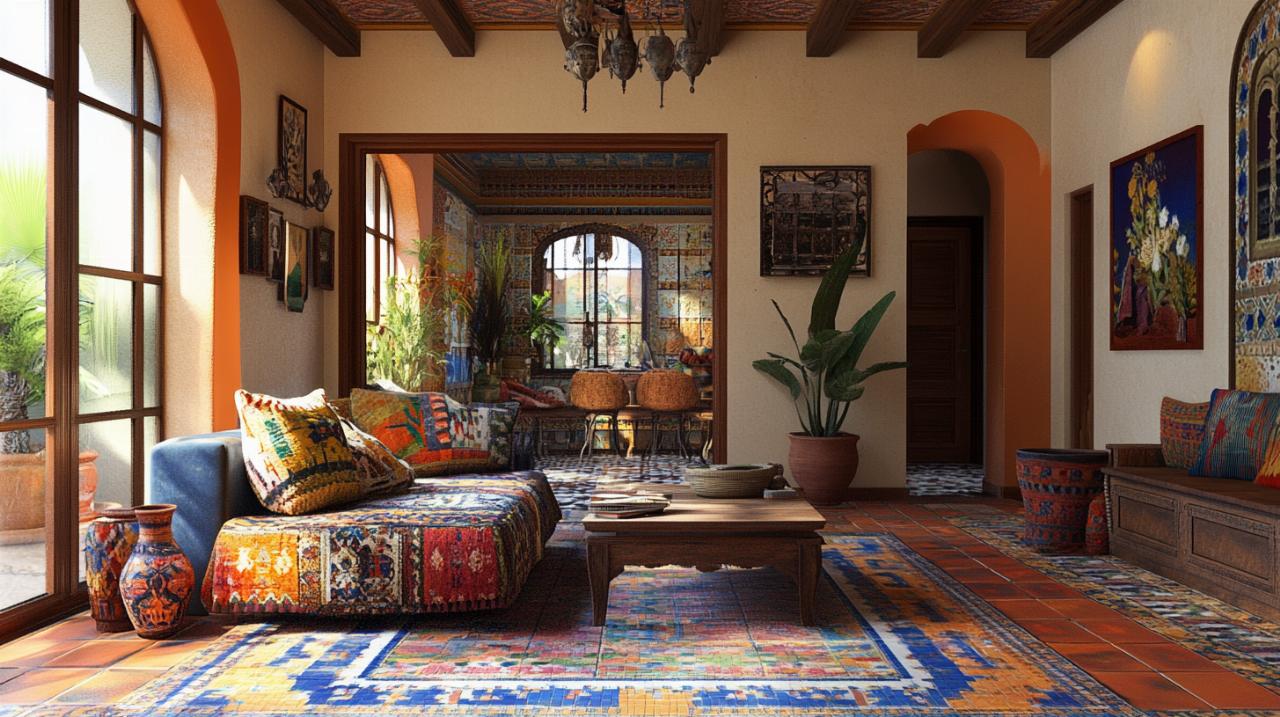
The vibrant spirit of Spain extends far beyond its festivals and cuisine, weaving itself into the very fabric of domestic spaces across the nation and beyond. From the sun-drenched villages of Andalusia to the historic cities of Castile, Spanish cultural traditions have long shaped the way homes are designed and decorated. These influences create interiors that are not merely functional but also deeply expressive, reflecting a heritage rich in artistry, craftsmanship, and a profound connection to the natural world. Understanding these traditions offers a unique lens through which to appreciate the warmth, character, and timeless appeal of Spanish-inspired home décor.
The Warmth of Spanish Colour Palettes and Natural Materials
One cannot explore Spanish home design without being immediately struck by the distinctive warmth that pervades these spaces. This warmth is achieved through a carefully considered use of colour and material, both of which draw heavily from the landscapes and cultural history of the Iberian Peninsula. The choices made in these areas are not arbitrary; they are deeply rooted in centuries of tradition and a practical understanding of the climate and available resources.
Earthy tones: terracotta, ochre, and sun-baked hues
The colour palette typical of Spanish interiors is dominated by earthy tones that seem to capture the very essence of the Mediterranean sun and the arid landscapes of the interior regions. Terracotta, ochre, warm reds, and deep browns are prevalent, creating a sense of grounding and comfort. These colours are often inspired by the natural clay and soil found throughout Spain, and they bring a rustic yet refined elegance to any room. White walls are frequently employed as a neutral backdrop, serving the dual purpose of reflecting sunlight and allowing the richer, earthier tones to truly stand out. In homes influenced by Moorish traditions, one might also find jewel tones such as sapphire blue or emerald green, adding a layer of opulence and historical depth. The use of these hues is not merely decorative; it is a way to discover the local traditions and the historical narratives that have shaped Spanish identity over millennia. The warmth of these colours creates an inviting atmosphere, making any space feel both lived-in and welcoming.
Rustic elegance through wood and stone elements
Natural materials are the cornerstone of Spanish design, and their use reflects a deep respect for organic beauty and sustainability. Wood, particularly in darker stains, is a recurring feature, most notably in the form of ceiling beams that add both structural character and visual weight to a room. These beams are often left exposed, celebrating the raw, unfinished quality of the timber and providing a striking contrast against plastered or whitewashed ceilings. Stone is another material that appears frequently, whether as flooring, wall cladding, or decorative accents. The textured quality of stone adds a tactile dimension to interiors, reinforcing the connection to the earth and the natural environment. Terracotta tiles, often seen in kitchens, living rooms, and outdoor patios, are a quintessential element, their reddish-brown tones harmonising beautifully with the broader colour palette. The integration of such organic materials speaks to a design philosophy that values authenticity and durability, creating spaces that age gracefully and develop character over time.
Handcrafted artistry: ceramics, wrought iron, and textured fabrics
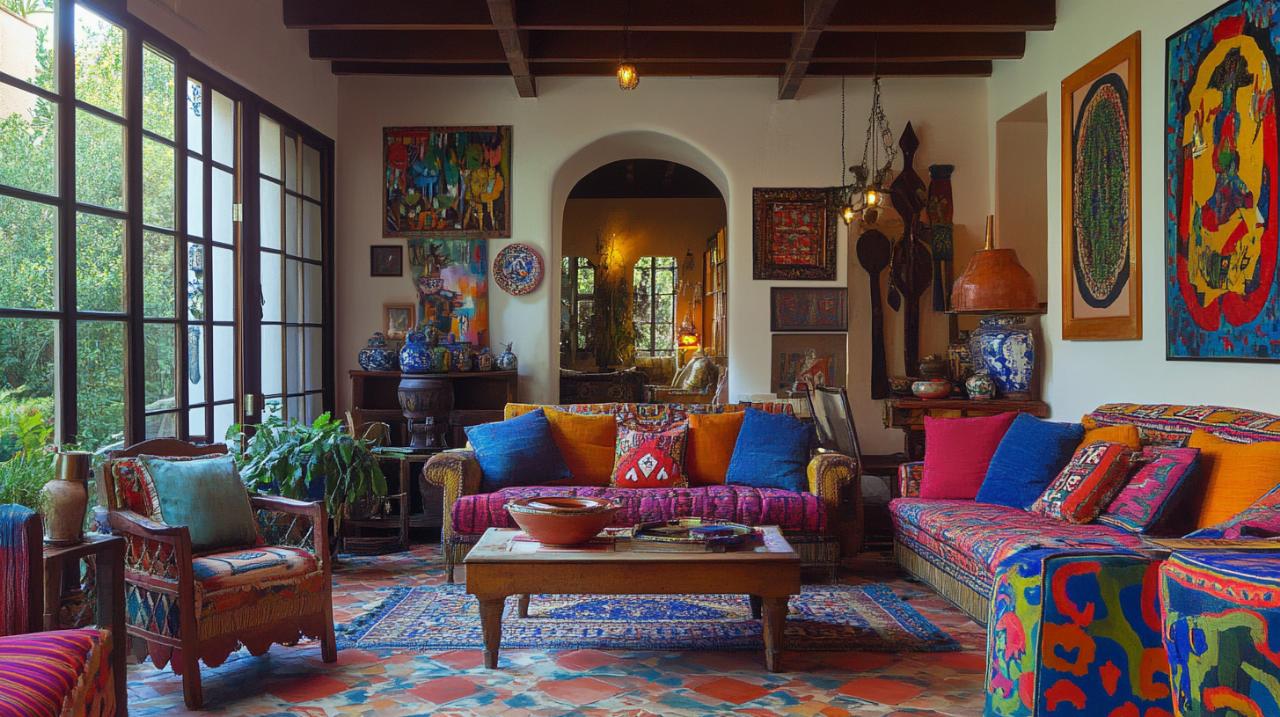
Beyond the foundational elements of colour and material, Spanish home décor is distinguished by a wealth of handcrafted details that showcase the nation's rich artisanal heritage. These details are not mass-produced; they are the result of skilled craftsmanship passed down through generations, each piece imbued with a sense of history and cultural significance. The presence of these elements transforms a house into a home, infusing it with personality and a tangible link to the past.
The Timeless Appeal of Spanish Ceramics and Pottery
Ceramics and pottery hold a special place in Spanish culture, serving both functional and decorative purposes. From intricately patterned tiles that adorn walls, floors, and backsplashes to hand-painted bowls and vases that grace tabletops and shelves, these items are a celebration of Spanish craftsmanship. Traditional tiles, often featuring geometric or floral motifs, are a hallmark of Moorish influence and can be found in homes throughout the country. These tiles are not only visually striking but also practical, providing a durable and easy-to-clean surface that is well-suited to the Spanish climate. The vibrant colours and intricate patterns of these ceramics add a layer of visual interest and cultural flair, making them a focal point in any room. Handcrafted ceramics also reflect a broader cultural identity, expressing the unique artistic traditions of different regions and communities across Spain. Collecting and displaying such pieces is a way to honour this heritage and bring a touch of Spanish authenticity into one's own living space.
Wrought iron detailing and textural fabric choices
Wrought iron is another quintessential element of Spanish design, appearing in a variety of forms throughout the home. From stair railings and balcony grilles to light fixtures and furniture accents, wrought iron adds a sense of strength and elegance. The dark, often black finish of wrought iron provides a striking contrast against lighter walls and textiles, creating a visual balance that is both bold and sophisticated. Statement lighting, such as chandeliers and sconces crafted from wrought iron, can transform a room, adding drama and a touch of old-world charm. These fixtures often incorporate intricate scrollwork and geometric patterns, further connecting them to the broader tradition of Spanish artistry. Textured fabrics, such as rugs and cushions featuring intricate patterns, complement these harder elements by introducing softness and warmth. Spanish textiles, whether woven from cotton or wool, often feature bold colours and traditional motifs, adding another layer of cultural expression to the interior. The combination of wrought iron and richly textured fabrics creates a dynamic interplay of hard and soft, light and dark, resulting in spaces that are both visually engaging and deeply comfortable. The furniture itself tends towards the sturdy and substantial, often incorporating carved or decorated elements that reflect the Mudéjar architectural tradition, a unique blend of Islamic, Jewish, and Christian styles that has left an indelible mark on Spanish design. This historical synthesis is evident in the horseshoe arches, ornamental stucco, and geometric forms that characterise much of Spanish furniture and architectural detailing, creating a sense of timelessness and heritage that continues to inspire contemporary design.


Comments are closed