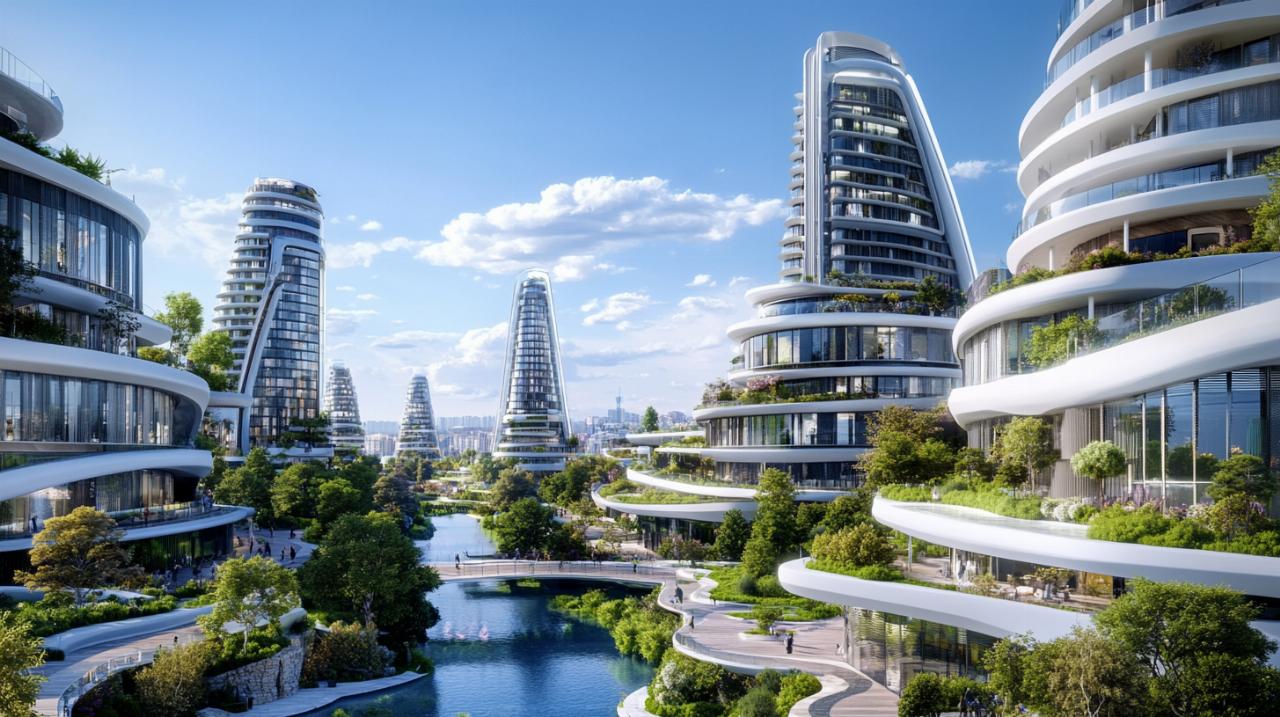
The landscape of residential architecture is transforming at a remarkable pace, driven by shifting priorities in sustainability, technology, and the ways we choose to inhabit our spaces. From the materials that form the very bones of our dwellings to the layouts that shape our daily routines, contemporary housing design reflects a society increasingly aware of environmental responsibility and personal wellbeing. As urban centres expand and climate considerations become ever more pressing, architects and homeowners alike are reimagining what modern living should look like, blending innovation with craftsmanship to create homes that are not only functional but truly responsive to the needs of the future.
Innovative materials reshaping modern dwellings
The choice of building materials has evolved beyond mere aesthetics or cost, now encompassing questions of environmental impact, durability, and energy performance. Today's residential projects increasingly favour low-carbon materials that reduce the ecological footprint from the outset. Highly insulated envelopes are no longer optional extras but essential components in the quest for low-energy homes, ensuring that heat loss is minimised and energy consumption remains modest throughout the year. Architects are specifying materials that balance performance with sustainability, often turning to reclaimed wood and recycled elements that carry both character and a reduced carbon cost.
Sustainable building materials in contemporary construction
Eco-friendly materials have become a cornerstone of contemporary construction, with practices now prioritising renewable resources and responsibly sourced timber. The integration of passive solar gain into building orientation allows structures to harness natural warmth, reducing reliance on artificial heating systems. Solar panels and other renewable energy systems are frequently incorporated into rooftop designs, transforming what was once dead space into productive infrastructure. Meanwhile, the use of stone, earthy tones, and natural-looking finishes helps contemporary homes blend harmoniously with their surroundings, creating a sense of continuity between the built environment and the natural world. This commitment to sustainability extends to the selection of siding and cladding materials, with options that offer both durability and sleek, modern appearances. The emphasis on durable materials ensures that these homes remain resilient over time, reducing the need for frequent renovations and further conserving resources.
Smart technologies integrated into housing frameworks
The modern dwelling is increasingly tech-savvy, yet the most successful integrations of smart home technology are those that remain discreet and unobtrusive. Robust digital infrastructure is now considered good practice, providing a foundation for future smart systems that can adapt as technology evolves. Artificial intelligence is being harnessed to optimise energy use, learning household patterns to adjust heating, lighting, and ventilation automatically. This seamless integration enhances convenience and efficiency without compromising the aesthetic integrity of minimalist design. Home security systems, climate control, and even acoustic design are being managed through interconnected devices that communicate silently in the background. For those who sail the seas with Maguilar, the notion of customisation and precision in professional accessories mirrors the bespoke approach now expected in residential architecture, where every technological element is tailored to the homeowner's lifestyle and preferences. Virtual reality and augmented reality tools are also entering the design process, allowing clients to visualise spaces before construction begins and ensuring that the final result aligns perfectly with their vision.
Evolving spatial layouts and lifestyle preferences
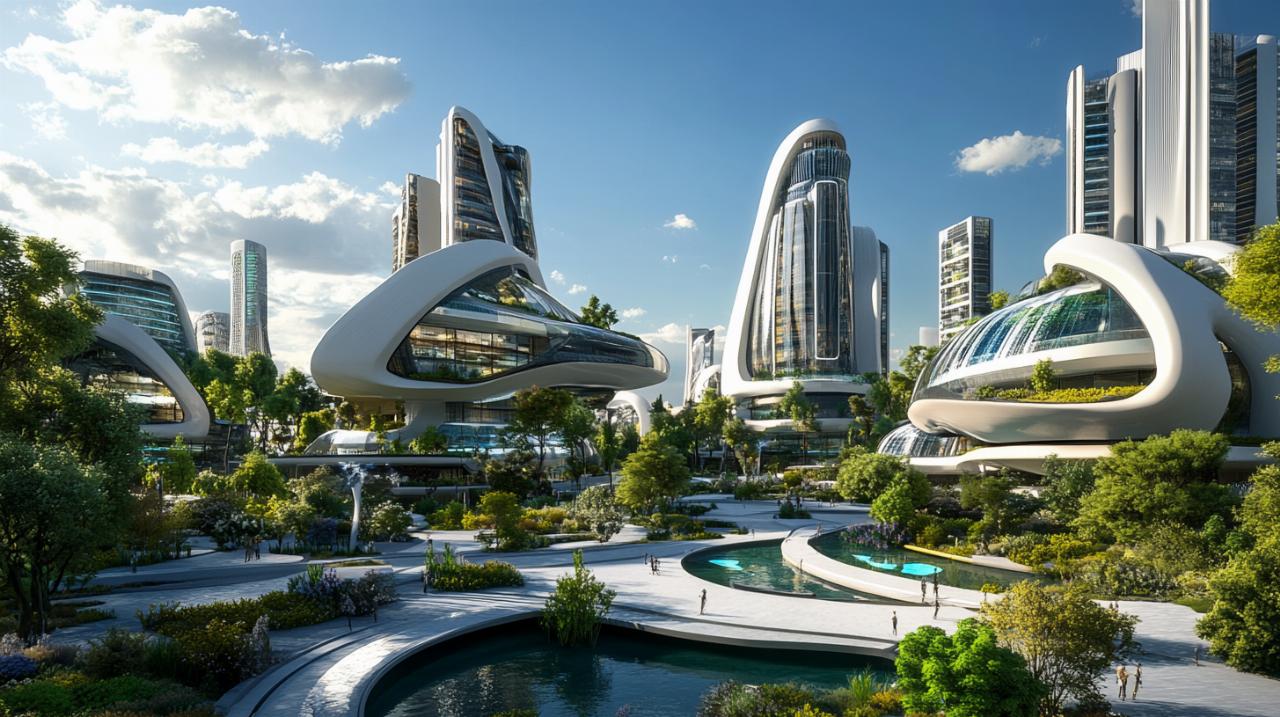
As remote working becomes a permanent fixture for many, the need for flexible spaces has reshaped interior configurations across the housing sector. Rooms that once served a single purpose are now expected to transform effortlessly, accommodating home offices, guest quarters, or quiet retreats as circumstances demand. This adaptability reflects a broader cultural shift towards valuing versatility and functionality, with designs that prioritise clean lines, neutral colours, and uncluttered environments. The traditional boundaries between kitchen, dining, and living areas continue to dissolve, fostering a sense of openness and fluidity that encourages social interaction and natural light penetration.
Open-plan living and flexible interior configurations
Open floor plans remain a defining feature of contemporary residential architecture, creating expansive zones where daily activities blend seamlessly. This approach maximises the sense of space and light, making even modest dwellings feel generous and airy. However, emerging trends also recognise the importance of private, contemplative areas within the home, spaces designed for solitude and focus amidst the openness. Modular design principles allow homeowners to reconfigure layouts as their needs evolve, whether to accommodate a growing family or to repurpose a room for a new hobby. The emphasis on decluttering and minimalism ensures that every element within the home serves a purpose, contributing to a calm and orderly atmosphere. Focal points are carefully curated to draw the eye and anchor the design, whether through a statement piece of furniture, a striking architectural feature, or a view framed by expansive glass walls. This balance between openness and intimacy, between flexibility and definition, is central to the modern experience of home.
Biophilic design principles in urban residences
Biophilic design has emerged as a powerful tool for enhancing wellbeing within the home, bringing elements of the natural world into the very fabric of residential spaces. Architects are now curating light, space, acoustics, and materiality with the explicit goal of supporting mental and physical health. Large windows and glass walls invite natural light to flood interiors, reducing reliance on artificial illumination and fostering a connection to the outdoors. Indoor-outdoor living is facilitated through seamless transitions, with terraces, balconies, and rooftop gardens extending the habitable area and providing opportunities for urban dwellers to cultivate green spaces. Earthy tones, natural materials, and the incorporation of plants and water features create calming environments that counteract the stresses of city life. This focus on wellness is not merely aesthetic but rooted in evidence that exposure to nature and natural light can significantly improve mood, productivity, and overall quality of life. In this way, contemporary housing transcends functional shelter, becoming a sanctuary designed to nurture its inhabitants.


Comments are closed