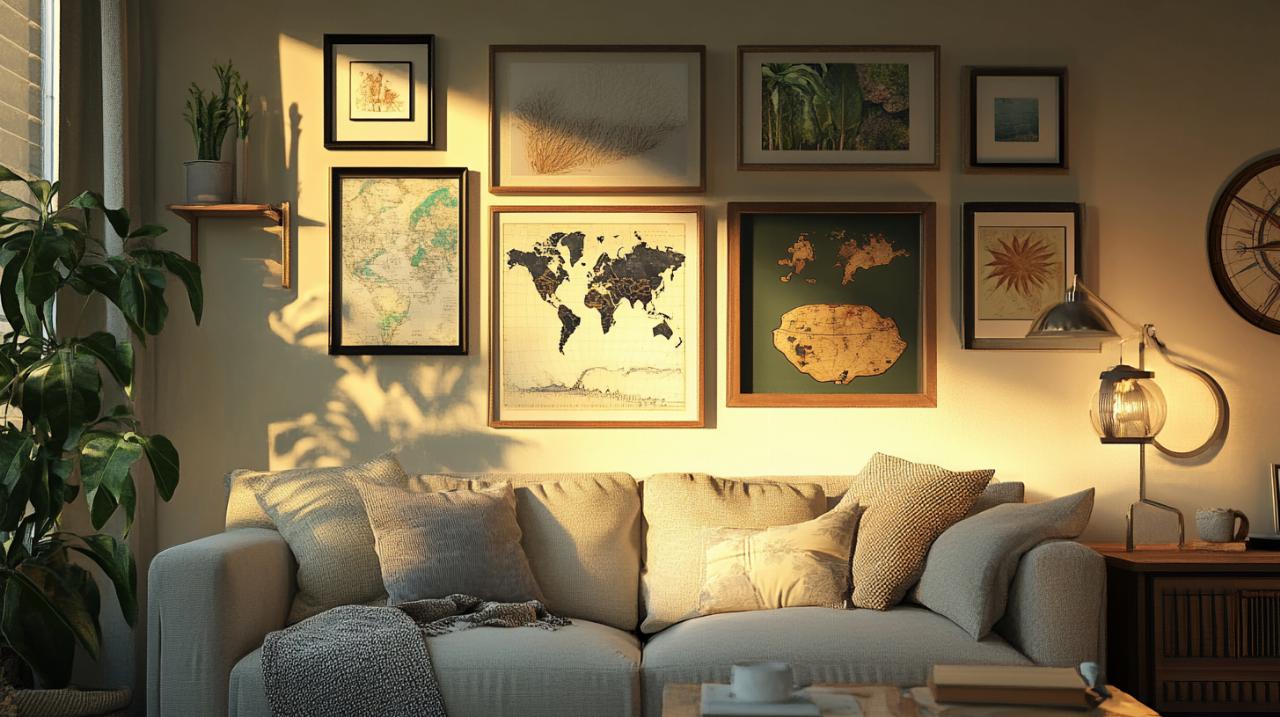
When it comes to transforming a living space, few elements hold as much potential as carefully chosen picture framing. The right frames can elevate artwork from mere decoration to a compelling focal point, bridging the gap between personal taste and cohesive interior design. Whether your home embodies timeless elegance or contemporary minimalism, understanding how frames interact with your surroundings is essential for creating an atmosphere that feels both intentional and inviting.
Choosing the Right Frame Styles for Different Rooms
Selecting the appropriate frame style begins with recognising the overarching design language of your home. Traditional interiors, characterised by ornate details and rich wood finishes, call for frames that echo this sense of heritage. Classic mouldings with gilded accents or deep mahogany tones can enhance oil paintings and period artwork, lending them the gravitas they deserve. Conversely, modern spaces thrive on clean lines and understated materials such as aluminium or steel, which provide a sleek backdrop for contemporary photography framing or abstract compositions.
For those drawn to the Scandinavian style, simplicity and natural textures take precedence. Light wood frames in pale oak or ash harmonise beautifully with neutral colour palettes and uncluttered living areas, reinforcing the airy, unpretentious ethos of Nordic design. Industrial design enthusiasts, on the other hand, might gravitate towards raw metal frames or reclaimed wood, which add character and a sense of history to urban lofts and converted spaces. Identifying your anchor style is the first step towards making informed framing decisions that resonate with the rest of your home decor matching efforts.
It is worth noting that frames need not be identical throughout your home. Each room can reflect its own atmosphere, provided there is an underlying thread that ties the selections together. In the living room, bold and oversized frames can command attention, establishing a visual focus that draws guests into the space. Bedrooms, by contrast, benefit from calming frames in soft tones that promote relaxation, while kitchens require durable, moisture-resistant frames crafted from materials that withstand humidity and temperature fluctuations. By tailoring frame styles to the unique demands of each room, you create a home that feels both cohesive and thoughtfully curated.
Matching frames with your interior design aesthetic
Achieving harmony between frames and interior aesthetics hinges on understanding colour theory and texture matching. When you explore the world frames have to offer, consider how the hues of your walls, furnishings, and textiles interact with the frame's finish. Warm tones such as honey-coloured wood or brass frames can inject energy into a space, complementing earth-inspired palettes and natural materials. Cool tones, including sleek black frames or brushed silver, evoke tranquillity and sophistication, making them ideal for bedrooms or home offices where concentration and calm are paramount.
The relationship between frame and artwork is equally important. Smaller artworks generally benefit from proportionally larger frames, which provide breathing room and prevent the piece from appearing lost on an expansive wall. Conversely, large-scale works may require narrower frames to avoid overwhelming the viewer. The golden ratio, a mathematical principle suggesting a balance of roughly one to one point six one eight, can guide decisions about frame width and mount proportions, ensuring a pleasing visual equilibrium.
Artists like John Lowrie Morrison, known affectionately as Jolomo, and Jack Vettriano have distinct styles that lend themselves to specific framing approaches. Jolomo's vibrant landscapes, with their bold brushstrokes and saturated colours, shine within frames that echo the natural textures of Scotland's rugged terrain. Dark wood or rustic metal frames can ground these exuberant compositions without competing for attention. Vettriano's cinematic scenes, often featuring moody interiors and dramatic lighting, pair well with classic black frames or dark brown finishes that enhance the noir aesthetic without detracting from the narrative.
Frame materials and finishes that complement your space
The choice of frame materials extends beyond aesthetics, touching on sustainability and longevity. Wood frames remain a perennial favourite, offering warmth and versatility across a range of styles. Opting for FSC-certified wood ensures that your framing choices support responsible forestry practices, with a significant portion of quality wood mouldings sourced from certified forests. Reclaimed wood frames, with their weathered patina and unique grain patterns, bring an element of environmental consciousness to home decoration while adding character that new materials cannot replicate.
Metal frames, including those crafted from aluminium, steel, or brass, provide a sleek alternative that complements modern frames and industrial design schemes. Brass frames, in particular, have surged in popularity within contemporary framing circles, lending a touch of luxury and warmth that balances the coolness of minimalist interiors. Acrylic frames offer a lightweight, shatter-resistant option that suits busy households or homes with young children, though they may lack the gravitas of traditional materials.
Texture is another crucial consideration. Smooth, polished finishes work well in spaces with clean lines and minimal ornamentation, while textured or distressed finishes can soften the starkness of modern decor and introduce a tactile dimension. When selecting frames, consider how their texture echoes the materials already present in your home, from plush textiles to exposed brick or polished concrete. This layered approach to material selection fosters a sense of depth and intentionality that elevates the overall room aesthetics.
Glazing options also play a vital role in artwork preservation and presentation. UV-filtering glass protects delicate works on paper and photographs from fading over time, while low-reflectivity glass minimises glare and allows the artwork to be appreciated from any angle. For pieces displayed in brightly lit areas, these glazing options are indispensable. LED lighting integrated into frames can further enhance the viewing experience, casting a gentle glow that highlights details without causing heat damage. Acid-free mounts are essential for preserving artwork, preventing the yellowing and deterioration that acidic materials can cause over decades.
Creative ways to display framed art throughout your home
Once you have selected the perfect frames, the next challenge is arranging them in ways that maximise their impact. The art of display is as much about spatial planning as it is about personal expression, and thoughtful layout ideas can transform a collection of individual pieces into a cohesive visual narrative. Whether you favour the structured elegance of symmetrical arrangements or the dynamic energy of asymmetrical compositions, the way you present framed art can dramatically alter the feel of a room.
Gallery wall arrangements have become a staple of contemporary home decor, offering a flexible canvas for showcasing diverse artworks, photographs, and prints. The key to a successful gallery wall lies in planning. Before committing to hammer and nails, lay out your frames on the floor or use paper templates taped to the wall to experiment with different configurations. This approach allows you to explore layered compositions and find a balance between variety and cohesion. A mix of frame sizes and orientations can add visual interest, but anchoring the arrangement with a central piece or a consistent frame colour helps maintain unity.
For those who prefer a more structured approach, grid-like arrangements offer a sense of order and discipline. Equally spaced frames create a gallery-like atmosphere that suits living room frames or hallway displays, lending a professional polish to the space. This technique works particularly well with a series of related artworks, such as a collection of black and white photography framing or a suite of botanical prints. The uniformity of the arrangement allows each piece to be appreciated individually while contributing to a larger, harmonious whole.
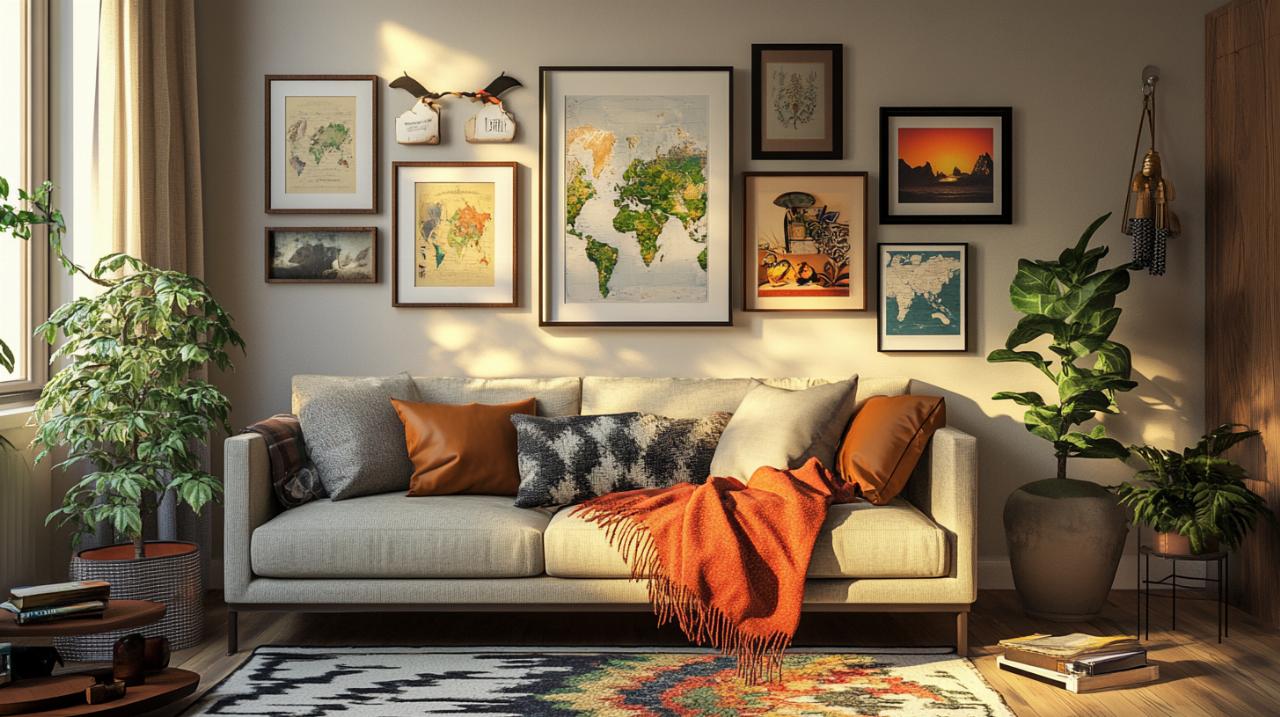
Gallery wall arrangements and layout ideas
Creating a gallery wall is an exercise in balance and creativity. Start by considering the wall's dimensions and the amount of space available. In smaller rooms, aim for a compact arrangement that does not overwhelm the area, while larger rooms can accommodate more expansive displays. Frame sizing should be scaled to the room size, with small rooms under two hundred square feet benefiting from frames in the two to three inch range, medium rooms between two hundred and four hundred square feet accommodating three to five inch frames, and large rooms over four hundred square feet able to support frames five inches or wider.
Colour palettes also influence the success of a gallery wall. If your collection spans a wide range of styles and periods, unifying the frames with a consistent finish, such as black or white, can tie disparate pieces together. Alternatively, embracing a variety of frame colours and materials can create a more eclectic, collected-over-time aesthetic. This approach requires a careful eye to ensure that the diversity enhances rather than detracts from the overall composition. Warm tones and cool tones can be mixed judiciously, provided there is a common thread such as subject matter or scale that links the pieces.
Another strategy involves grouping artworks by theme or medium. A collection of oil painting frames, each with slips and fillets in complementary tones, can create a cohesive display that highlights the richness of the medium. Works on paper, with their characteristic mounts and borders, benefit from frames that emphasise the delicacy of the material. Mounts in shades of white or off-white are classic choices, though subtle variations in tone can add depth without distraction. Acid-free mounts are non-negotiable for long-term artwork preservation, preventing the chemical reactions that lead to discolouration and brittleness.
Statement pieces and focal point framing techniques
While gallery walls celebrate multiplicity, statement pieces command attention through singularity. A large, beautifully framed artwork can serve as the focal point of a room, anchoring the space and setting the tone for the surrounding decor. In living rooms, a bold frame around a striking painting or photograph can draw the eye immediately upon entering, establishing a sense of hierarchy and intention. The frame itself becomes part of the artwork, with its proportions and finish contributing to the overall impact.
For statement pieces, frame width and material are paramount. A robust wood frame with intricate detailing can enhance a traditional oil painting, lending it gravitas and presence. Conversely, a sleek metal frame with minimal ornamentation allows a contemporary piece to speak for itself, its clean lines echoing the modernity of the artwork. The golden ratio offers a useful guideline for determining frame width relative to the artwork's dimensions, ensuring that the frame enhances rather than overwhelms.
Lighting plays a crucial role in showcasing statement pieces. Light reflection can either enhance or detract from the viewing experience, so selecting the right glazing options is essential. Low-reflectivity glass minimises distractions, allowing the artwork to be appreciated without the interference of ambient light. LED lighting integrated into the frame or positioned nearby can highlight textures and colours, creating a museum-quality presentation within your home. For artworks displayed in areas with high natural light, UV-filtering glass is indispensable, protecting pigments and papers from the fading effects of prolonged sun exposure.
Beyond the frame itself, consider the context in which the artwork is displayed. Antique frames, some with historical significance, can add layers of meaning to a piece, connecting it to a broader cultural context. Reproductions of period frames offer a way to achieve this effect without the cost and fragility of genuine antiques. Alternatively, reframing historical artworks in contemporary frames can create a dialogue between past and present, inviting viewers to see familiar works in a new light. This approach is particularly effective in eclectic interiors, where juxtapositions of style and era are celebrated.
For those seeking inspiration, galleries and exhibitions provide invaluable insights into current framing techniques and trends. Observing how professional galleries present their collections can inform your own choices, from the selection of gallery framing styles to the integration of artwork presentation elements such as lighting and spacing. Commercial art services for property developers and office staging offer further evidence of how strategic framing can transform a space, enhancing both mood and productivity. The principles that guide these professional settings are equally applicable to residential interiors, demonstrating that thoughtful framing is not merely decorative but transformative.
Ultimately, the art of framing is about more than protecting and displaying artwork. It is an opportunity to explore the world frames open up, where materials, colours, and proportions converge to create environments that reflect personal taste and enhance daily life. Whether you favour the timeless appeal of traditional frames, the understated elegance of Scandinavian style, or the raw authenticity of industrial design, the frames you choose become an integral part of your home's story. By approaching framing with intention and care, you ensure that every piece of art is not only preserved but celebrated, contributing to a living space that feels both beautiful and deeply personal.


Comments are closed