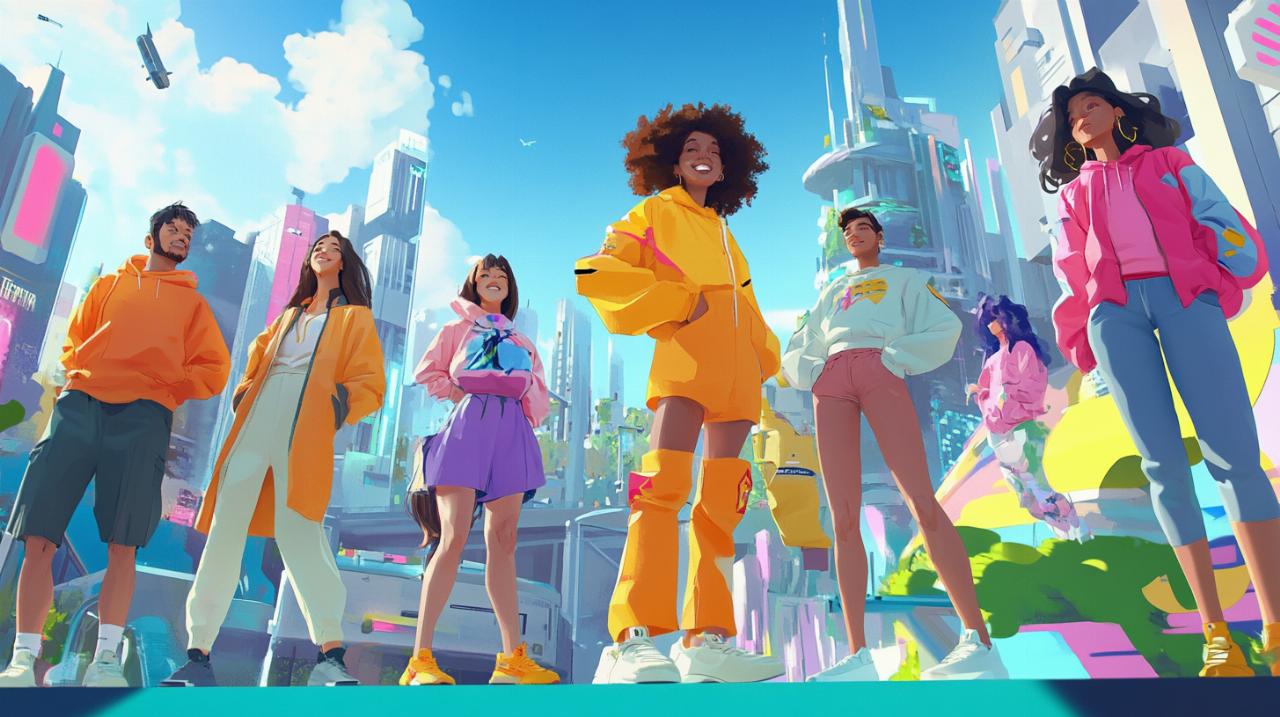
The modern world is constantly evolving, and staying ahead of the curve requires a keen eye for emerging trends that redefine how we dress, care for our bodies, and interact with technology. As we navigate through 2026, a fresh wave of lifestyle movements is encouraging individuals to explore new horizons in fashion, health, and technology. These trends are not merely fleeting fads but transformative shifts that promise to reshape our daily routines, enhance our wellbeing, and challenge conventional norms. From sustainable wardrobes to personalised nutrition and cutting-edge digital innovations, the lifestyle landscape is brimming with opportunities to embrace change and elevate our quality of life.
Revolutionary fashion movements reshaping your wardrobe
Fashion is undergoing a remarkable transformation as consumers increasingly prioritise values over vanity. The industry, once criticised for its environmental impact and ethical shortcomings, is now witnessing a surge in demand for clothing that reflects a commitment to sustainability and responsibility. This shift is not just about choosing organic fabrics or recycled materials; it represents a fundamental rethinking of how we produce, purchase, and perceive style. The rise of ethical fashion is empowering individuals to express their identity while contributing to a healthier planet, making it easier than ever to align personal aesthetics with global consciousness.
Sustainable and ethical clothing choices
The movement towards sustainable fashion has gained tremendous momentum as awareness of the environmental toll of fast fashion spreads. Consumers are now seeking garments crafted from natural fibres, plant-derived dyes, and materials that minimise harm to ecosystems. This trend is not limited to niche brands; major retailers are responding by incorporating eco-friendly lines and transparent supply chains. The demand for non-toxic products extends beyond clothing to activewear made from organic cotton and beauty items that avoid harmful chemicals. As shoppers become more discerning, they are also mindful of wellness washing, ensuring that brands genuinely uphold ethical standards rather than simply marketing green credentials. This conscious approach to fashion is reshaping wardrobes across the United Kingdom, proving that style and sustainability can coexist beautifully.
Digital fashion and virtual styling platforms
Technology is revolutionising the way we engage with fashion, introducing digital innovations that blend creativity with convenience. Virtual styling platforms are emerging as powerful tools, allowing users to experiment with outfits, colours, and trends without ever stepping into a physical shop. These digital spaces offer personalised recommendations based on individual preferences, body types, and even circadian rhythms, thanks to AI-driven insights. The concept of digital minimalism is also influencing fashion, as consumers reduce screen time and opt for analogue activities, yet paradoxically, they embrace AI fitness and smart tech to enhance their style choices. This duality reflects a broader trend where technology serves as an enabler rather than a distraction, helping individuals curate wardrobes that are both modern and mindful. As digital fashion continues to evolve, it promises to democratise style and make high-end design accessible to a wider audience.
Innovative Health and Wellness Practices for Modern Living
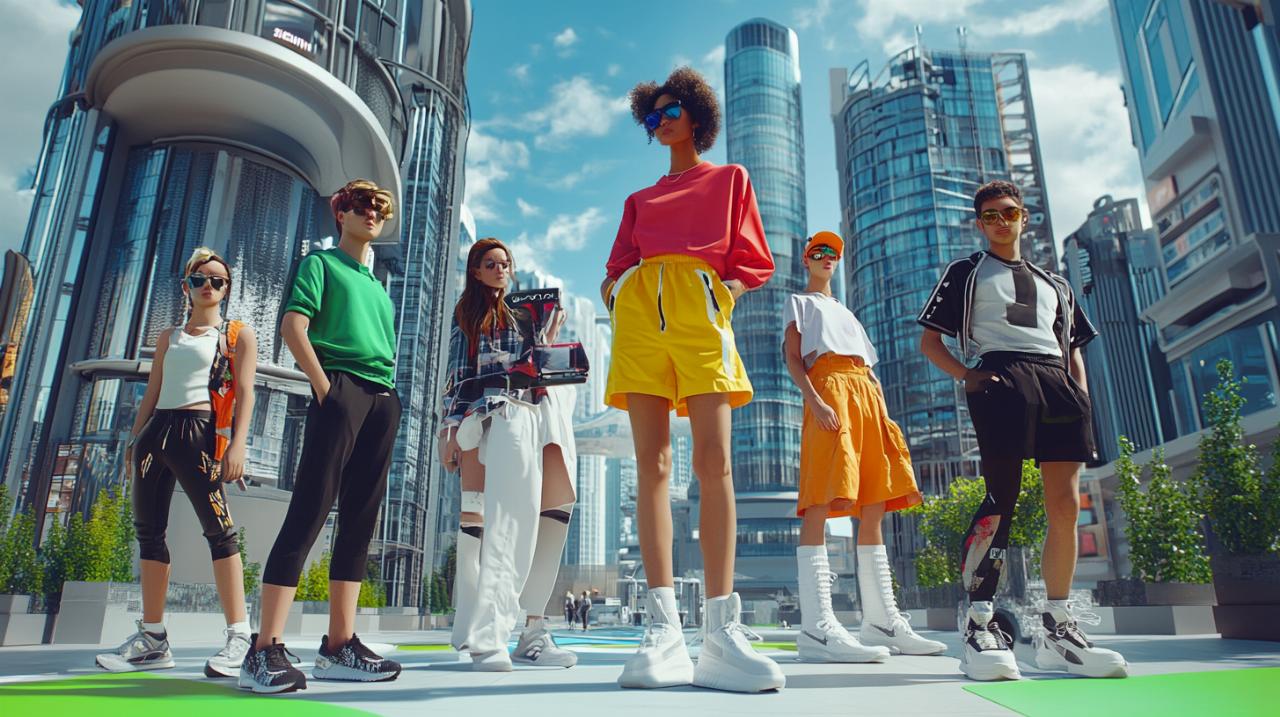
The wellness industry, now valued at an impressive two trillion pounds globally, is undergoing a significant evolution as people seek holistic approaches to health that go beyond traditional fitness regimes. Modern wellness is about personalisation, science-backed interventions, and a deeper understanding of the body's intricate systems. From gut health to brain performance, the focus is shifting towards preventative care and long-term vitality. As individuals explore new horizons in wellness, they are discovering that true health encompasses mental, emotional, and physical dimensions, all of which are interconnected and essential for a fulfilling life.
Personalised nutrition and biohacking techniques
Functional nutrition is at the forefront of health innovation, with consumers demanding products that deliver performance benefits in light, refreshing formats. Protein sodas have emerged as a popular choice, offering a convenient way to boost nutrition without the heaviness of traditional shakes. Beyond beverages, the wellness sector is embracing longevity-focused ingredients such as resveratrol, NMN, and NAD, which are predicted to experience significant growth in the coming years. Gut health remains a priority, with next-generation products like fibre blends and prebiotic drinks supporting digestive balance and overall vitality. The rise of GLP-1 approaches and personalised self-care programmes reflects a shift towards tailored solutions that address individual needs rather than one-size-fits-all remedies. Biohacking techniques, including bio-syncing workouts with circadian rhythms and using AI diagnostics for preventative care, are becoming mainstream. These practices empower individuals to take control of their health, leveraging data and science to optimise their bodies and minds.
Mental wellbeing and mindfulness integration
Mental health is receiving unprecedented attention as people recognise the importance of emotional wellness and cognitive resilience. Wellness retreats are evolving to address burnout recovery, grief, and stress management, offering personalised programmes that cater to diverse emotional needs. Sleep therapy is gaining recognition as a core component of longevity and overall health, with experts emphasising the restorative power of quality rest. Somatic practices such as breathwork and scent therapy are being integrated into daily routines, helping individuals manage their nervous systems and reduce anxiety. The concept of brain brilliance is encouraging investment in mental performance through supplements, neurocosmetics, and neuromodulation devices, all aimed at enhancing focus and cognitive function. Meanwhile, the trend of analogue activities and digital detox is addressing screen fatigue and the desire for tranquil spaces away from digital noise. Research indicates that a significant majority of Britons value fitness as a way to stay healthy, with over half finding that social exercise improves adherence and motivation. Fitness travel is booming, with a notable percentage of consumers planning to continue seeking destinations where they can train, recover, and learn from experts. Run clubs across the United Kingdom have seen a remarkable surge in popularity, reflecting a broader movement towards workout socialising and community-based wellness. This blend of physical activity, mental care, and social connection is redefining what it means to be truly well in the modern age.


Comments are closed