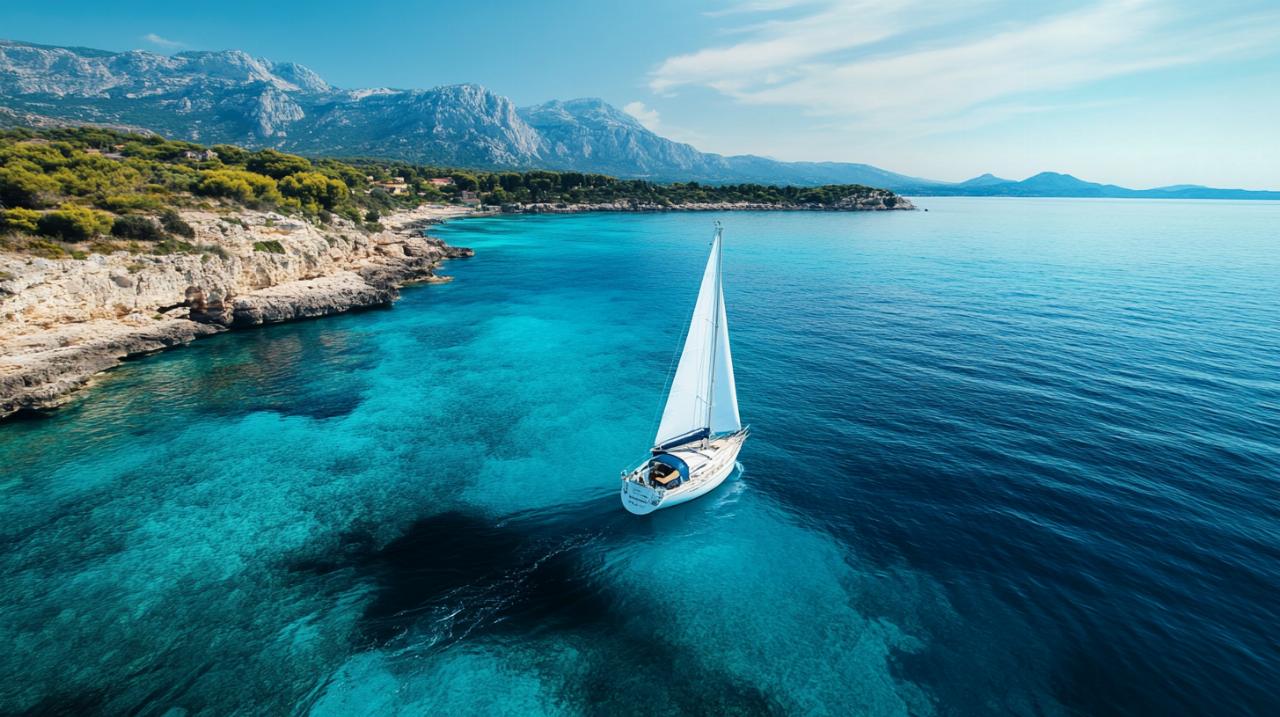
Whether you dream of cruising turquoise waters aboard a catamaran charter or navigating secluded coves in the Mediterranean, launching a sailing adventures blog can transform your passion for the ocean into a vibrant digital platform. Sharing your voyages, discoveries, and insights with an engaged audience not only documents your own journey but also inspires others to embark on their own yacht holidays. This guide offers practical advice on how to build a compelling, SEO-optimised travel blogging presence that resonates with first-time sailors and seasoned mariners alike, blending storytelling with strategic content creation to forge lasting connections with readers worldwide.
Crafting compelling content for your sailing adventure blog
Creating a successful sailing blog hinges on the quality and relevance of your content. Readers seek authentic narratives that transport them to sun-drenched decks, describe the thrill of hoisting sails, and capture the essence of life at sea. Rather than overwhelming your audience with statistics or technical jargon, focus on weaving stories that evoke emotion and inspire wanderlust. When planning your content strategy, consider the varied interests of your audience. Some may crave adrenaline-fuelled accounts of snorkelling expeditions and water sports, while others might appreciate cultural experiences in ancient coastal towns or recommendations for sustainable tourism. Tailoring your posts to these desires ensures that each article feels personal and valuable.
Visual content is paramount in travel blogging. High-quality photography and voyage journals transform a simple narrative into an immersive experience. Instead of relying on generic stock images, invest time in capturing the unique textures of a sunset over the Seychelles charter waters or the vibrant markets of a Greek island. Accompany these visuals with detailed descriptions that bring your readers aboard, whether you are documenting a crewed yacht adventure through the British Virgin Islands or a skippered charter along the Croatian coast. This approach not only enriches your storytelling but also enhances your SEO optimisation by providing search engines with rich, descriptive content that ranks well for keywords such as yacht charter, destination guides, and adventure travel.
Choosing the right destinations to showcase in your posts
Selecting the right destinations is a cornerstone of building a memorable sailing adventures blog. Your choice should reflect both popular charter hotspots and hidden gems that offer unique cultural and natural experiences. The Mediterranean remains a perennial favourite, with Croatia sailing and Greece sailing offering a mix of historic ports, crystal-clear waters, and vibrant local cuisine. Destinations such as Dubrovnik and Athens provide rich narratives that combine maritime heritage with modern luxury. Meanwhile, the Caribbean charter scene, encompassing locales like the British Virgin Islands, Antigua, and Grenada, appeals to those seeking tropical paradises and world-class snorkelling.
Expanding your coverage to exotic destinations such as the Seychelles, Tahiti charter, and Thailand charter can set your blog apart from competitors. These locales offer not only stunning visuals but also opportunities to discuss sustainable tourism and cultural immersion. When writing about these destinations, integrate long-tail keywords naturally into your prose. For instance, rather than simply listing facts, describe the experience of anchoring off a remote Thai island, the sounds of the water lapping against the hull, and the taste of freshly caught seafood prepared by a local guide. This narrative approach not only captivates readers but also supports your keyword research efforts, ensuring that your posts are discoverable by those planning their next yacht holiday.
Writing engaging narratives that capture the essence of life at sea
Effective storytelling transforms factual content into a desire to experience the journey for yourself. To capture the essence of life at sea, adopt a narrative style that balances personal anecdotes with practical advice. Describe the anticipation of setting sail at dawn, the camaraderie among crew members, and the quiet moments of reflection as you navigate open waters. These elements humanise your blog and foster customer engagement, making readers feel as though they are part of your voyage. Incorporate guest testimonials and user-generated content to add layers of social proof, demonstrating that your experiences resonate with a broader community.
When crafting your narratives, avoid the trap of listing information in a mechanical or academic fashion. Instead, build paragraphs that flow from one idea to the next, using vivid language and sensory details. For example, rather than stating that a particular yacht charter includes snorkelling equipment, describe the exhilaration of diving into warm, clear waters, the vibrant marine life you encountered, and the stories shared over dinner aboard the crewed yacht afterwards. This method not only makes your content more enjoyable to read but also aligns with best practices in content strategy and SEO optimisation. By integrating call to action prompts naturally within your stories, you guide readers toward booking their own adventures or exploring related articles on your site.
Building an audience through authentic sailing experiences
Growing a loyal readership requires more than just publishing posts; it demands genuine interaction and a commitment to providing value. Building an audience around your sailing blog means engaging with your community through social media marketing channels such as Instagram, TikTok, and Pinterest. Share behind-the-scenes glimpses of life aboard, answer questions in real time, and encourage followers to share their own sailing stories. This two-way conversation fosters a sense of belonging and transforms casual readers into dedicated advocates for your brand. Consistency in posting and maintaining a coherent visual identity across platforms strengthens your digital presence and supports monetisation efforts through affiliate marketing and sponsored content opportunities.
Authenticity is the currency of modern travel blogging. Your audience can discern when content feels forced or when you prioritise quantity over quality. Therefore, commit to producing well-researched, thoughtfully written posts that reflect your genuine experiences and insights. Whether you are reviewing a catamaran charter in the Bahamas or offering practical yacht holiday tips for families, ensure that your advice is rooted in personal knowledge and supported by credible sources. This dedication to quality builds trust and positions your blog as a go-to resource for anyone interested in luxury travel, family travel, solo travel, or adventure travel on the water.
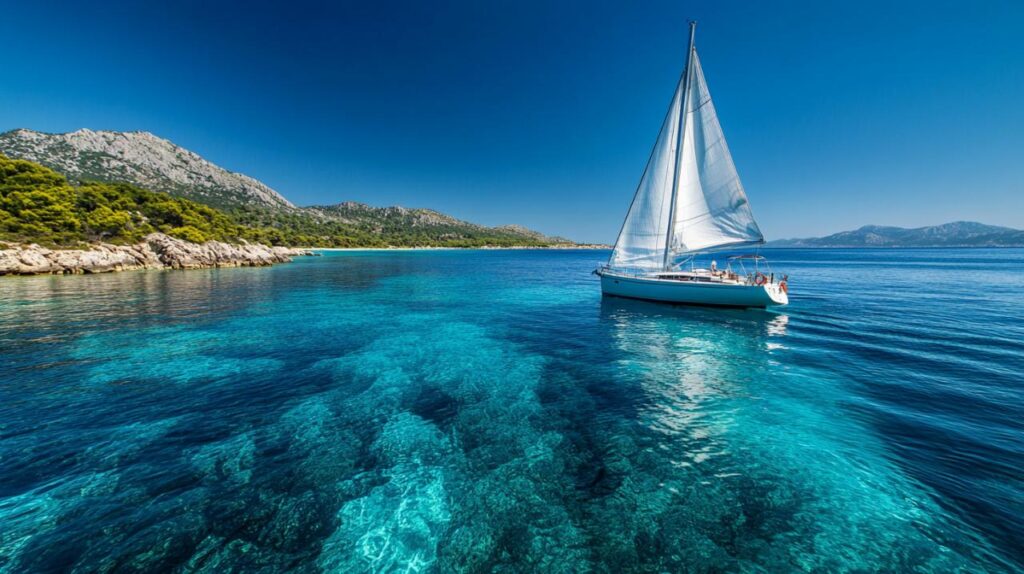
Sharing practical advice for first-time sailors and seasoned mariners alike
One of the most effective ways to engage a diverse audience is by offering practical advice that caters to both novices and experienced sailors. First-time sailors often seek guidance on planning their maiden voyage, understanding the basics of yacht charter agreements, and packing efficiently for limited onboard space. Address these concerns with clear, step-by-step recommendations. For instance, explain the importance of communicating with the crew about dietary preferences and activity interests before departure, or outline the essential items to pack when space is at a premium. By demystifying the process, you empower readers to embark on their own sailing adventures with confidence.
Seasoned mariners, on the other hand, appreciate nuanced insights into advanced navigation techniques, destination-specific weather patterns, and the finer points of selecting a skippered charter versus a bareboat option. Discuss topics such as the advantages of choosing a crewed yacht for a stress-free holiday, the cultural experiences awaiting in lesser-known ports, or the latest trends in sustainable tourism within the yachting community. Balancing content that appeals to different experience levels not only broadens your readership but also enhances your blog’s authority. Incorporating keywords such as yacht holiday tips, Mediterranean charter, and Caribbean charter within these discussions supports your SEO efforts while maintaining a natural, conversational tone.
Creating visual storytelling with photographs and voyage journals
Visual storytelling is the heartbeat of any successful travel blogging venture. High-quality photography captures moments that words alone cannot convey, from the play of light on ocean waves to the intricate details of a traditional sailing vessel. Invest in learning the fundamentals of composition, lighting, and editing to ensure that every image enhances your narrative. Tools such as Lightroom can help you refine your shots, while platforms like Canva allow you to create cohesive branding elements that tie your visual content together. Remember that authenticity resonates more than perfection; a candid snapshot of a sunset from your yacht deck often proves more compelling than a heavily edited promotional image.
Voyage journals complement your photography by providing context and depth to your visual stories. These written records can take many forms, from daily logs detailing navigation routes and weather conditions to reflective essays on the personal growth that accompanies long-term sailing. By interweaving journal entries with curated photo galleries, you create a multi-layered narrative that engages readers on multiple levels. This approach also opens opportunities for monetisation through digital products such as e-books or downloadable guides. Additionally, sharing excerpts on social media platforms and in your newsletter can drive traffic back to your blog, reinforcing your presence in the competitive landscape of travel blogging and sailing blog niches.
Effective blog promotion relies on a strategic blend of social media marketing, keyword research, and community building. Platforms like Pinterest are particularly powerful for travel content, as visually driven boards can direct a steady stream of visitors to your site. Create boards dedicated to specific themes such as destination guides for Croatia sailing, luxury travel aboard crewed yachts, or family travel tips for yacht holidays. Use concise, keyword-rich descriptions to accompany each pin, ensuring that your content is discoverable by users searching for related topics. Similarly, leverage Instagram and TikTok to share short, engaging clips of your voyages, behind-the-scenes moments, and quick tips that encourage viewers to explore your full articles.
Search engine optimisation remains a cornerstone of long-term blog growth. Conduct thorough keyword research to identify long-tail phrases that align with your content, such as catamaran charter in the British Virgin Islands or sustainable tourism practices in yacht travel. Optimise your meta descriptions, image alt text, and headings to reflect these keywords without sacrificing readability. Building high-quality backlinks through guest posting on related blogs, collaborating with tourism boards, and engaging in travel community forums further enhances your site’s authority. By combining on-page SEO with strategic off-page tactics, you create a robust foundation that supports organic growth and positions your blog as a trusted resource in the sailing and travel blogging sectors.
Monetisation transforms your passion into a sustainable venture. Affiliate marketing is one of the most accessible avenues, allowing you to earn commissions by promoting products and services relevant to your audience. Partner with yacht charter companies, gear retailers, and travel booking platforms to recommend tools and experiences you genuinely endorse. For example, if you frequently discuss the benefits of a particular catamaran charter or skippered charter service, include affiliate links within your content and disclose these partnerships transparently. This honesty builds trust and ensures compliance with advertising standards while generating revenue based on your audience’s engagement.
Sponsored content offers another lucrative opportunity, particularly as your blog’s readership grows. Tourism boards and luxury travel brands often seek collaborations with established bloggers to reach targeted demographics. When pitching for sponsored work, emphasise your unique perspective, engagement metrics, and the value you bring to potential partners. Additionally, consider creating digital products such as comprehensive destination guides, e-books on yacht holiday planning, or exclusive photography collections. These products not only diversify your income streams but also provide your audience with tangible resources that enhance their own sailing adventures. By balancing affiliate marketing, sponsored content, advertising, and digital products, you build a resilient business model that supports ongoing creativity and exploration.
Comments are closed