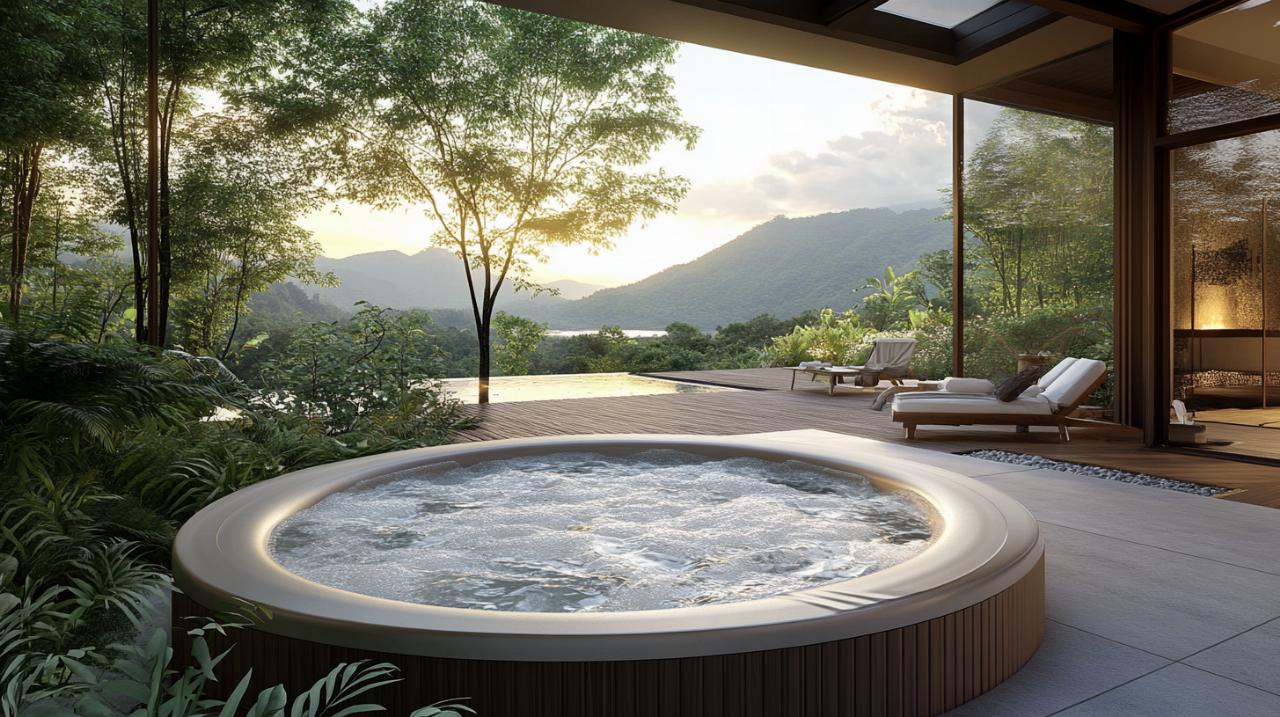
Owning a spa is more than just a luxury; it represents a commitment to relaxation and wellbeing that can transform your daily routine into something truly special. However, ensuring that this investment remains in excellent condition over the years requires thoughtful decision-making, particularly when it comes to heating systems and protective covers. By understanding the importance of these elements and making informed choices, you can enjoy your spa for many years while keeping operating costs manageable and maintenance straightforward.
Choosing the Right Heater for Optimal Spa Performance
The heart of any spa experience lies in the warmth and comfort of the water, which is why selecting the right heater is fundamental to both performance and longevity. A well-chosen heating system not only maintains the water at the ideal temperature but also operates efficiently, reducing energy consumption and preventing unnecessary strain on your spa's components. This decision impacts everything from the quality of your relaxation sessions to the overall cost of ownership, making it essential to approach the selection process with care and consideration.
Understanding different spa heating systems and their efficiency
When it comes to heating your spa, several technologies are available, each offering distinct advantages depending on your specific needs and circumstances. Electric heaters remain the most common choice for residential spas, providing consistent and reliable warmth that can be easily controlled. These systems work by passing water over an electric element, which heats it before returning it to the spa. While straightforward and effective, the efficiency of electric heaters can vary significantly based on their design and power rating. Gas heaters, on the other hand, are favoured for their rapid heating capabilities, making them ideal for those who prefer to heat their spa quickly before use rather than maintaining a constant temperature. Although gas systems can be more expensive to install, they often prove economical for larger spas or for users who do not require continuous heating. Heat pumps represent a more energy-efficient alternative, drawing warmth from the surrounding air to heat the water. Though they require a higher initial investment, heat pumps can deliver substantial savings over time, particularly in milder climates where the ambient temperature supports their operation. Understanding these differences allows you to match the heating system to your usage patterns, climate, and budget, ensuring that your spa remains both enjoyable and economical to run.
Sizing your heater correctly to match your spa's requirements
Even the most advanced heating technology will underperform if it is not properly sized for your spa. A heater that is too small will struggle to maintain the desired temperature, leading to extended running times, higher electricity bills, and premature wear on the unit. Conversely, an oversized heater may cycle on and off too frequently, which can also reduce its lifespan and efficiency. To determine the correct size, consider the volume of water your spa holds, the typical ambient temperature in your area, and how often you intend to use it. Many manufacturers provide guidelines based on these factors, but consulting with a specialist can ensure that you select a heater that matches your spa's specific requirements. Properly sized heaters not only maintain consistent warmth but also contribute to the overall health of your spa by reducing the risk of system failures and minimizing energy waste. By investing time in this crucial step, you set the foundation for a spa that performs reliably and economically for years to come.
Selecting the Perfect Cover to Protect Your Investment
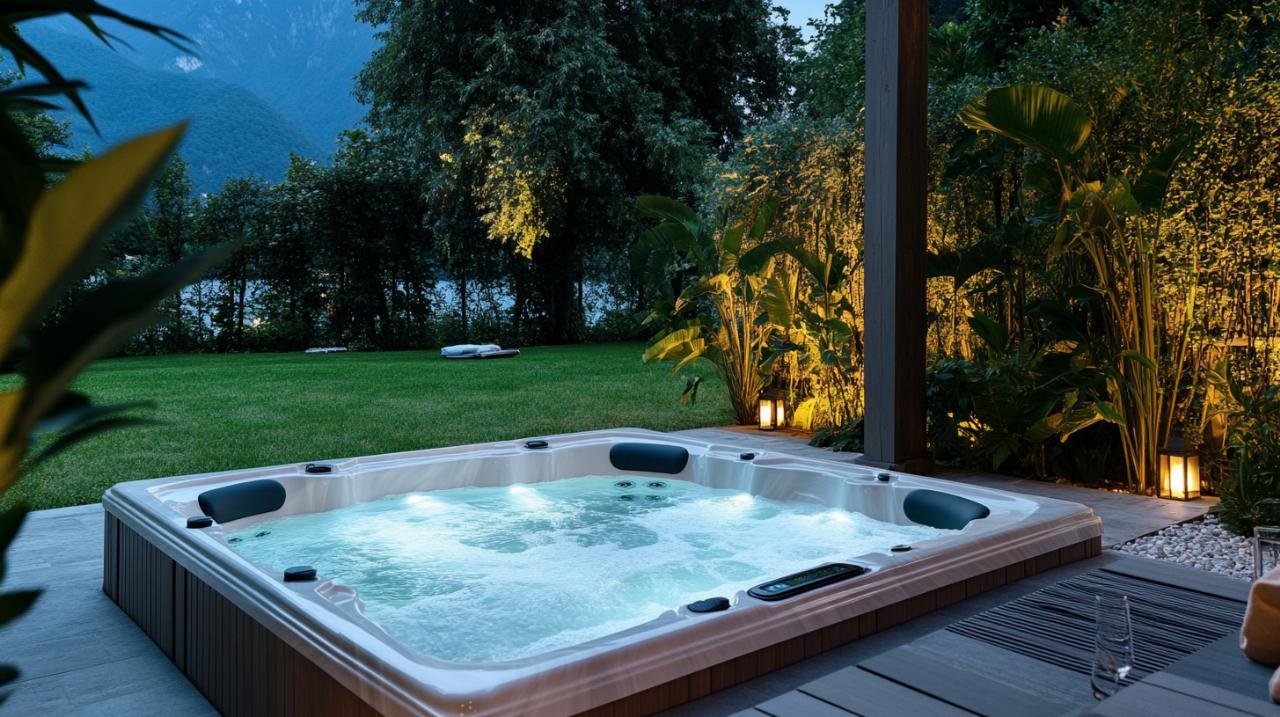
While the heater keeps your spa warm, a high-quality cover is essential for retaining that heat and protecting the water from external contaminants. Around sixty percent of heat loss occurs through the water's surface, making a well-designed cover one of the most important components in maintaining energy efficiency and extending the life of your spa. Beyond heat retention, a robust cover shields the water from debris, reduces chemical evaporation, and prevents unwanted access, all of which contribute to lower maintenance costs and a safer environment. Choosing the right cover is therefore not just about immediate protection but about safeguarding your investment for the long term.
Key features of high-quality spa covers that prevent heat loss
A superior spa cover is defined by several critical features that work together to minimize heat loss and enhance durability. Insulation is paramount, with high-density, heat-sealed polyurethane foam being the gold standard for trapping warmth and preventing it from escaping into the atmosphere. The foam should taper from the centre towards the edges, allowing rainwater to run off efficiently and preventing pooling that could damage the cover over time. Marine-grade vinyl is another essential characteristic, as it resists mildew, fading, and cracking, ensuring that the cover remains both functional and attractive despite exposure to the elements. UV protection is vital for preserving the vinyl's integrity, and many covers are treated specifically to withstand the sun's harsh rays. A heat-sealed rubber seal around the perimeter creates an airtight closure, further improving energy efficiency by preventing warm air from escaping and cold air from entering. Safety locks not only secure the cover in place during high winds but also prevent unsupervised access, adding an important layer of protection for households with children or pets. Reinforced handles make the cover easier to remove and replace, reducing the risk of damage during daily use. For those seeking even greater convenience, a cover lifter can be a worthwhile addition, as it simplifies the process of opening and closing the spa while minimizing wear on the cover itself. Some covers also feature skirting around the base, which provides extra insulation and guards against contaminants entering the water from below. When adventure awaits in the form of a spontaneous spa session, knowing that your cover has been designed with these features ensures that your spa is ready to deliver the perfect experience without delay.
Maintaining Your Spa Cover for Maximum Longevity and Performance
Even the highest-quality cover requires regular maintenance to perform at its best and achieve its full lifespan, which typically ranges from three to five years. Cleaning the cover quarterly with warm, soapy water removes dirt and oils that can degrade the vinyl over time, while the application of a protective spray designed for UV resistance helps to prevent cracking and fading. Ensuring that the chemical balance of your spa water is correct is equally important, as improper pH levels or excessive chlorine or bromine can cause the underside of the cover to deteriorate. Ideally, the pH should remain between 7.2 and 7.6, with free chlorine between three and five parts per million or total bromine between four and six parts per million. After adding chemicals to the water, it is advisable to leave the cover off for at least five minutes to allow any fumes to dissipate, preventing them from becoming trapped and damaging the vinyl. Using a thermal blanket beneath the cover offers an additional layer of insulation, reducing heat loss and protecting the cover from direct contact with the water, which can extend its lifespan considerably. In areas prone to severe weather, a cover protection bag or cap can shield the cover from snow, ice, and heavy rain, while securing it with sturdy straps and safety locks prevents it from being lifted or damaged by strong winds. Avoiding misuse is equally important; sitting on the cover or placing heavy objects on it can cause structural damage and lead to waterlogging, which compromises insulation and adds unnecessary weight. Regularly inspecting the cover for signs of wear, such as a broken seal, waterlogged foam, or cracking vinyl, allows you to address issues promptly and replace the cover before more serious problems develop. By following these maintenance practices, you ensure that your cover continues to protect your spa and retain heat effectively, ultimately saving you money on replacement costs and energy bills while preserving the quality of your spa experience for years to come.


Comments are closed