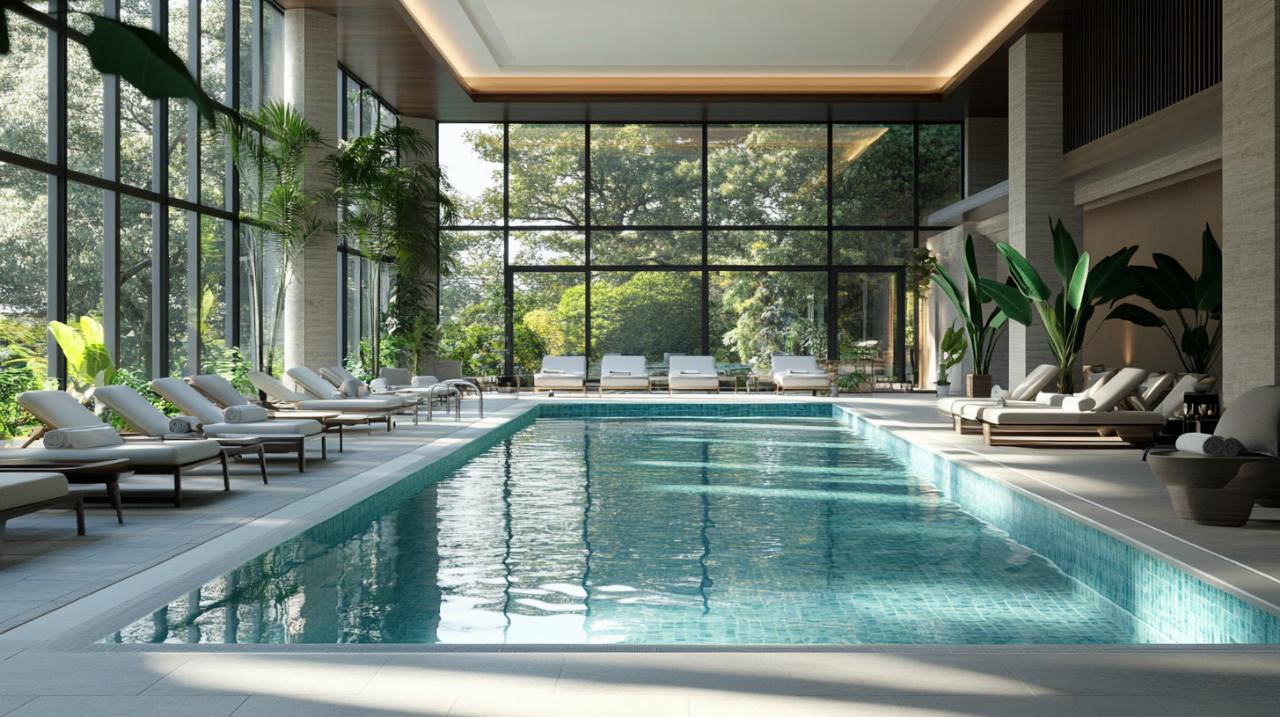
Transforming your home with an indoor swimming pool represents a significant lifestyle enhancement, blending luxury with year-round aquatic enjoyment. Whether you envision invigorating morning laps or tranquil evening relaxation, creating this private sanctuary demands meticulous planning, specialist expertise, and careful consideration of technical requirements. With budgets typically exceeding two hundred thousand pounds, understanding the process from initial concept through to completion ensures your investment delivers lasting value and pleasure.
Navigating planning permission and design considerations
Understanding local council regulations and planning requirements
Before any groundwork begins, consulting your local council about planning regulations proves essential. Depending on your property's location, listing status, and the scale of proposed alterations, you may need formal planning permission. Some indoor pools constitute permitted development, whilst others require detailed applications, particularly when structural modifications affect the building's external appearance or footprint. Early engagement with planning authorities prevents costly delays and ensures compliance with building regulations governing structural integrity, fire safety, and access provisions.
Determining your pool's size, shape, depth, and additional features
When you embark on a journey of designing your indoor pool, the first step involves clarifying its primary purpose. A pool intended for serious fitness swimming demands different dimensions and features compared to one designed for family leisure or hydrotherapy. Lap pools typically measure at least twelve metres in length with consistent depth, whilst recreational pools benefit from varied depths and perhaps spa features such as jets or underwater seating. Bespoke indoor pools offer the flexibility to incorporate custom shapes that complement your property's architecture, ensuring aesthetic harmony alongside functional excellence. Consider whether integrated spa elements, underwater lighting, or infinity edges align with your vision before finalising the design.
Selecting the perfect location within your property
Assessing spatial requirements and structural suitability
Identifying the optimal location within your home requires careful evaluation of available space and structural capacity. Indoor pools demand substantial floor area not only for the water body itself but also for surrounding circulation space, changing facilities, and equipment rooms. Structural assessments determine whether existing foundations and load-bearing walls can support the considerable weight of water, pool shell, and associated machinery. Basement conversions, ground-floor extensions, or purpose-built annexes each present distinct advantages and challenges. Working with an architect experienced in aquatic installations ensures that structural modifications integrate seamlessly with your property's existing framework whilst accommodating the pool's technical requirements.
Evaluating access routes and practical installation constraints
Practical considerations around access routes significantly influence installation success. Large components such as pool shells, filtration systems, and dehumidification units must reach their designated locations without damaging your property. Narrow corridors, tight staircases, or limited external access may necessitate alternative delivery methods or modular construction approaches. Additionally, proximity to external walls facilitates ventilation ducting and simplifies the installation of plant equipment, which requires regular maintenance access. Thoughtful location selection balances aesthetic aspirations with logistical realities, ensuring smooth project execution and operational efficiency.
Managing humidity through proper ventilation systems
Choosing the Right Ventilation Equipment to Control Moisture
Effective climate control stands as the cornerstone of successful indoor pool environments. Water evaporation generates significant moisture, which without proper management leads to condensation, mould growth, and structural damage. Specialist air handling systems designed specifically for indoor pools extract humid air, dehumidify it, and recirculate conditioned air back into the space. These systems balance energy efficiency with performance, often incorporating heat recovery features that capture warmth from extracted air to reduce heating costs. Selecting appropriately sized equipment matched to your pool's surface area and anticipated usage patterns ensures consistent comfort and protects surrounding building fabric.
Preventing damp and maintaining air quality standards
Beyond equipment selection, comprehensive ventilation design prevents damp-related issues throughout the pool hall and adjacent areas. Insulation plays a crucial role, minimising temperature differentials that cause condensation on cooler surfaces such as windows and walls. Vapour barriers integrated into the building envelope stop moisture migration into structural elements. Regular air changes maintain fresh, breathable conditions, eliminating chlorine odours and ensuring pleasant swimming experiences. Professional designers from organisations such as SPATA bring expertise in calculating precise ventilation requirements, ensuring systems operate efficiently across varying occupancy levels and seasonal conditions.
Implementing effective heating solutions for year-round comfort
Comparing different pool heating systems and their efficiency
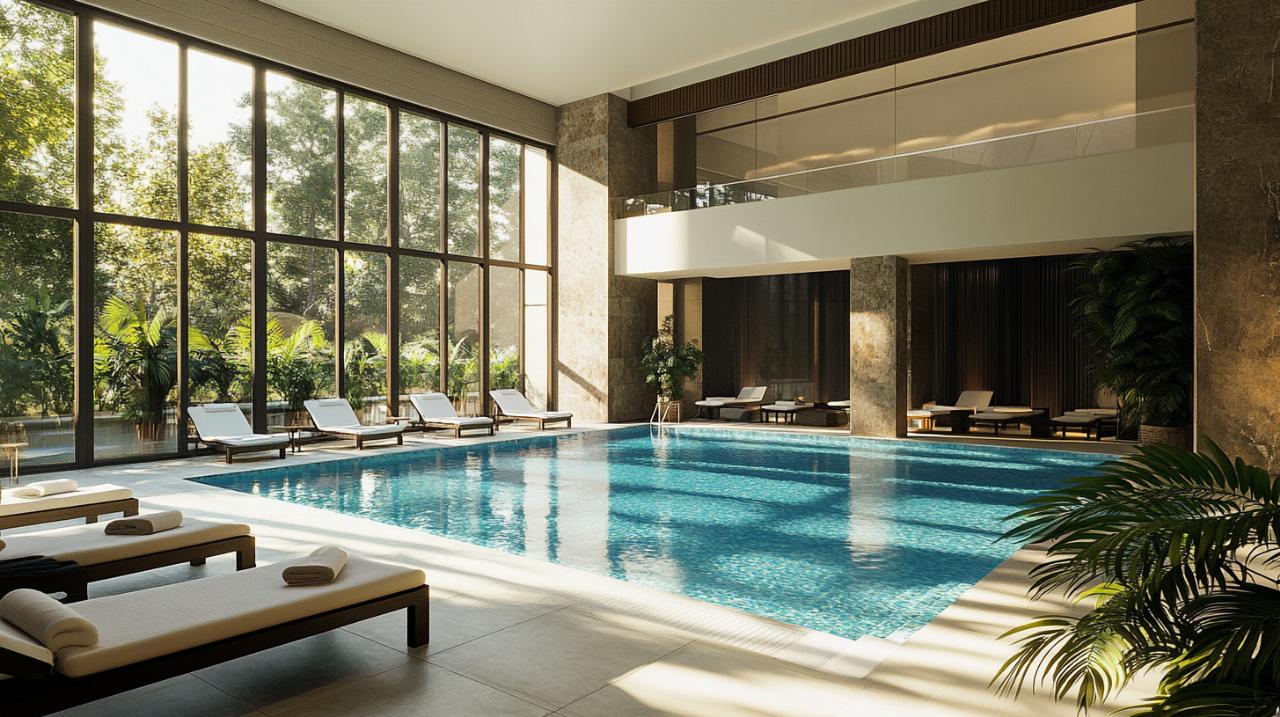
Maintaining comfortable water temperatures year-round demands reliable, efficient heating solutions. The pool's intended purpose directly influences ideal temperature settings, with fitness swimming typically favouring cooler water around twenty-six degrees Celsius, whilst leisure and therapeutic use often requires warmer conditions approaching thirty degrees. Gas boilers, air source heat pumps, ground source heat pumps, and electric heaters each offer distinct advantages regarding running costs, installation complexity, and environmental impact. Heat pumps prove increasingly popular, extracting ambient warmth with impressive efficiency, though they require higher initial investment. Solar thermal systems can supplement primary heating during sunnier months, reducing overall energy consumption.
Maintaining optimal water temperature for swimming pleasure
Consistent temperature control enhances swimming pleasure and extends the pool's usability throughout the year. Advanced control systems monitor water temperature continuously, adjusting heating output to maintain set points whilst minimising energy waste. Insulated pool covers dramatically reduce heat loss during non-use periods, cutting operational costs substantially. Integration between heating and ventilation systems optimises overall efficiency, with recovered heat from dehumidification processes contributing to water warming. Professional installation ensures heating capacity matches pool volume and usage frequency, avoiding undersized systems that struggle during winter or oversized equipment that cycles inefficiently.
Selecting durable and waterproof building materials
Choosing Quality Materials for the Pool Structure Itself
The pool structure itself demands materials combining strength, waterproofing, and longevity. Concrete construction offers maximum design flexibility, accommodating complex shapes and integrated features whilst providing robust structural performance. Fibreglass shells arrive prefabricated, enabling quicker installation with smooth, non-porous surfaces that resist algae growth. Stainless steel presents a modern aesthetic with exceptional durability, though typically commands premium pricing. Each option requires specialist expertise during installation to ensure watertight integrity and proper integration with surrounding structures. Professional pool designers guide material selection based on your specific requirements, balancing aesthetic preferences with practical considerations and budget constraints.
Selecting Appropriate Finishes for Surrounding Areas and Surfaces
Beyond the pool shell, surrounding surfaces require materials that withstand constant moisture exposure whilst providing safety and visual appeal. Pool finish options include tiled surfaces offering bespoke, luxury aesthetics with endless colour and pattern possibilities, or liner systems providing cost-effective, quick installation with smooth finishes. Ceramic and porcelain tiles rated for wet environments deliver slip resistance alongside design versatility. Natural stone creates elegant, timeless surroundings but requires appropriate sealing and maintenance. Flooring around the pool should feature non-slip properties, drainage channels, and resistance to chlorine exposure. Ceiling and wall finishes must tolerate high humidity without deterioration, with materials such as moisture-resistant plasterboard, specialist paints, and treated timber providing suitable solutions.
Managing the Construction Process with Qualified Professionals
Finding and vetting experienced pool installation builders
Successful indoor pool projects depend fundamentally on assembling the right professional team. Your primary pool designer and supplier should hold SPATA membership, ensuring adherence to industry standards and providing recourse through professional accreditation. Experienced specialists bring invaluable knowledge about technical requirements that general builders might overlook, particularly regarding plant rooms, equipment access, and service connections. An architect familiar with aquatic installations translates your vision into detailed structural drawings, coordinating with the pool designer to ensure architectural plans accommodate all technical necessities. Utilising 3D design software helps visualise the finished space, identifying potential issues before construction commences. Interior designers contribute early in the process, establishing aesthetic direction and budget parameters whilst ensuring cohesive integration with your home's existing style.
Overseeing the Building Work and Timeline Management
Construction of indoor pools typically unfolds across several months, progressing through distinct phases from groundwork and structural modifications through to mechanical installations and finishing trades. Engaging a quantity surveyor provides accurate cost estimates, helping control expenditure as the project advances. Expect professional fees totalling approximately ten to twenty percent of overall project costs, reflecting the specialised expertise required. Regular site meetings with your project team ensure works proceed according to schedule, addressing challenges promptly and maintaining quality standards. Bespoke design and end-to-end service providers such as those operating throughout Cheshire, Shropshire, and the North West coordinate multiple trades, simplifying management responsibilities and ensuring seamless integration of all elements from excavation through to final commissioning.
Prioritising safety features and protection measures
Installing pool covers and safety barriers
Safety considerations must underpin every aspect of indoor pool design and operation. Rigid or automated pool covers provide multiple benefits, reducing evaporation and heat loss whilst offering crucial safety protection when the pool stands unsupervised. These covers support considerable weight, preventing accidental falls into water. Physical barriers such as glazed screens or lockable doors restrict unsupervised access, particularly important in homes with young children or vulnerable individuals. Non-slip surfaces around the pool perimeter minimise fall risks, whilst handrails and graduated entry steps assist safe ingress and egress.
Implementing alarm systems and child safety mechanisms
Technological safety solutions add further layers of protection. Water movement sensors trigger alarms if unexpected disturbances occur, alerting household members to potential incidents. Door and gate alarms signal when access points to the pool area open, ensuring adults remain aware of who enters the space. Emergency equipment including lifebuoys, reaching poles, and clearly marked emergency contact information should remain readily accessible. Comprehensive safety planning also considers lighting levels, ensuring adequate illumination during evening use without creating glare that impairs visibility. LED lighting systems offer programmable mood settings, balancing ambience with functional visibility whilst highlighting potential hazards such as pool edges and steps. Professional guidance ensures all safety measures comply with current regulations whilst integrating unobtrusively within your design aesthetic, creating a secure environment where the entire family can enjoy swimming with confidence and peace of mind throughout every season.


Comments are closed